
Understanding Traffic Signals in Dubai
Traffic lights are crucial for managing the flow of vehicles at intersections in Dubai. Many drivers mistakenly believe that honking their horns or flashing headlights can prompt the light to turn green. This is a common misconception that overlooks the advanced technology behind these traffic signals.
The Technology Behind Traffic Lights
Dubai employs a sophisticated traffic management system that relies on sensors and timers to control traffic lights. These systems are designed to optimize traffic flow based on real-time conditions, such as vehicle density and pedestrian movement. As a result, the timing of traffic lights is not influenced by driver actions but rather by automated processes.
Factors Influencing Light Changes
Several factors determine when a traffic light turns green. These include:
- Traffic Volume: Higher vehicle counts can lead to longer red light durations.
- Pedestrian Crossings: Lights may change to accommodate pedestrian safety.
- Emergency Vehicles: In some cases, traffic signals can be adjusted for emergency vehicles to ensure they can pass quickly.
Tips for Drivers
While you cannot control the traffic light, there are practical steps you can take to improve your waiting experience:
- Stay Patient: Recognize that the system is designed for overall safety and efficiency.
- Observe Traffic Patterns: Understanding peak hours can help you plan your routes better.
- Follow Local Driving Etiquette: Adhering to speed limits and traffic rules will enhance road safety for everyone.
In summary, dispelling these myths about traffic lights can lead to a more informed and enjoyable driving experience in Dubai. By understanding how these systems work, drivers can navigate the city more effectively and safely.
Understanding How Traffic Lights Work in Dubai
Navigating the streets of Dubai can be daunting for newcomers, especially when it comes to understanding traffic lights. A common misconception is that traffic signals function randomly or without clear purpose. In reality, traffic lights in Dubai operate on a systematic cycle designed to enhance road safety and efficiency.
The Traffic Signal Phases
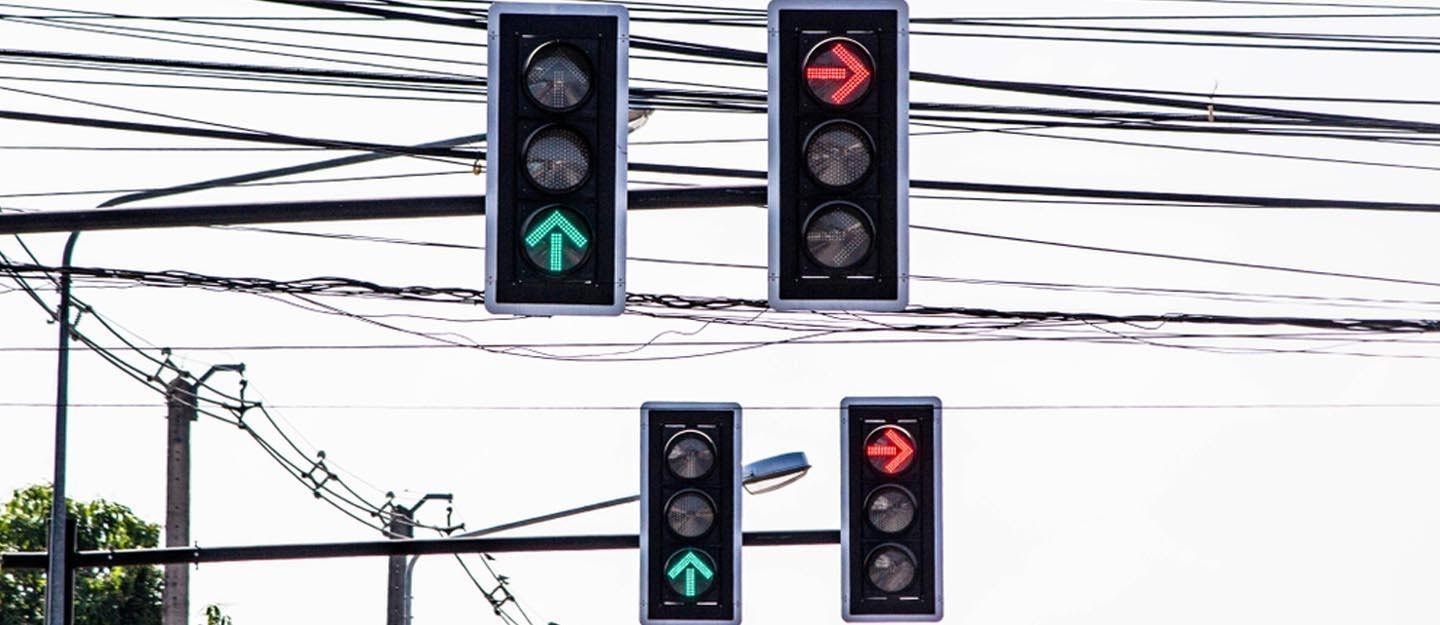
Typically, traffic lights follow a predictable sequence: green, yellow, and red. The green light allows vehicles to proceed, while the yellow light serves as a warning that the light will change soon. The red light indicates that vehicles must stop. This sequence is not arbitrary; it is strategically implemented to manage the flow of both vehicular and pedestrian traffic.
Pedestrian Safety Measures
One of the key features of Dubai’s traffic light system is the synchronization of vehicular and pedestrian signals. When the traffic light turns red for vehicles, the pedestrian signal turns green, allowing pedestrians to cross safely. This design helps reduce accidents and ensures that both drivers and pedestrians are aware of their rights and responsibilities on the road.
A key aspect of Dubai’s traffic system is the synchronized signals, enhancing safety for both drivers and pedestrians.
Enhancing Your Driving Experience
Understanding these traffic light phases is crucial for both residents and visitors. Familiarity with how and when these signals change can reduce stress while driving and improve overall safety. Observing local traffic patterns and signals will enable you to anticipate changes, making your navigation through Dubai’s complex roadways more efficient.
Common Myths About Changing Traffic Signals
Understanding how traffic signals operate is essential for both residents and visitors navigating the bustling streets of Dubai. Unfortunately, many drivers hold misconceptions about the mechanisms behind these signals, which can lead to confusion and frustration.
The Misconception of Signal Manipulation
One prevalent myth suggests that drivers can influence traffic signals through actions such as honking or flashing headlights. This belief overlooks the fact that traffic signals in Dubai are regulated by sophisticated algorithms designed to enhance safety and traffic flow. These systems analyze various factors, including vehicle density and pedestrian activity, to determine optimal signal timing. Therefore, any attempts to manipulate signals through driver behavior are ineffective.
Misunderstanding Automatic Adjustments
Another common belief is that traffic signals adjust automatically based on individual driver actions. In truth, the timing of traffic lights is meticulously programmed and relies on extensive data analysis rather than real-time driver behavior. The signals are designed to accommodate typical traffic patterns, ensuring an efficient flow for all users. Understanding this can help alleviate frustration when waiting at a red light.
Factors That Influence Traffic Light Timing
Traffic light timing in Dubai is a well-structured system influenced by various factors that aim to optimize road safety and efficiency. One of the primary components is traffic patterns. Authorities utilize data collected from sensors and cameras placed at key intersections to monitor real-time traffic flow. This information allows them to adjust signal cycles accordingly, ensuring smoother transit during peak and off-peak hours.
Adapting to Traffic Conditions
During peak hours, traffic signals tend to favor main roads, where heavier traffic is observed. This strategy helps to minimize congestion and facilitate quicker movement for the majority of drivers. Conversely, during off-peak periods, longer green lights may be granted to side streets, allowing local traffic to navigate more easily without unnecessary delays.
Impact of External Factors
External events such as accidents, roadworks, or special occasions can also necessitate temporary adjustments to traffic light timings. Authorities are quick to modify signals in response to these situations to maintain flow and safety. Understanding these adjustments can help drivers anticipate changes and plan their routes accordingly.
Tips for Minimizing Wait Times at Intersections
Navigating the busy intersections of Dubai can often lead to frustration due to wait times. However, several common misconceptions surround these delays. Understanding the realities of traffic management can help both residents and visitors minimize their wait times.
Traffic Patterns Are Predictable
One misconception is that traffic is consistently heavy throughout the day. In reality, Dubai experiences peak traffic times, particularly during rush hours and special events. By becoming familiar with these patterns, drivers can adjust their schedules to avoid the busiest times, thereby reducing their wait at intersections.
Importance of Alertness
Some drivers believe that waiting at a red light is a complete pause. However, staying alert and ready to move as soon as the light changes is crucial. This proactive approach not only helps in personal travel efficiency but also contributes to overall traffic flow, benefiting all road users.
Communication Through Signals
It is often assumed that using turn signals is optional. This is a myth that can lead to confusion and accidents. Proper signaling is essential as it informs other drivers of your intentions, allowing for smoother transitions at intersections and reducing potential delays.
Maintaining Distance for Efficiency
A common belief is that tailgating can save time. In contrast, maintaining a safe distance from the vehicle ahead is vital. This practice not only enhances safety but also promotes a more efficient traffic flow, minimizing stop-and-go situations that can extend wait times.
Focused Driving Reduces Delays
Many drivers underestimate the impact of distractions. Engaging in activities like using a phone can significantly delay reaction times. Staying focused on the road allows for quicker responses to traffic signal changes, which is essential in keeping the flow of traffic steady.
The Role of Technology in Traffic Management
As Dubai continues to position itself as a global hub, misconceptions about its traffic management systems persist. One of the most common myths is that traffic congestion is solely a result of population growth and urban development. While these factors do contribute, it is essential to recognize the role of advanced technology in alleviating these challenges.
The Role of Smart Technology
Contrary to popular belief, Dubai’s traffic management is not stagnant. The city has integrated smart traffic systems that use real-time data to monitor and regulate traffic flow. This technology minimizes congestion and reduces waiting times at intersections. By dynamically adjusting traffic light patterns based on current conditions, these systems facilitate smoother transitions for vehicles, thereby enhancing overall road safety and efficiency.
Data-Driven Decision Making
Many may think that traffic management relies solely on human oversight. In reality, sensors and cameras placed throughout the city collect extensive data, enabling authorities to respond swiftly to changing traffic dynamics. Advanced algorithms analyze these data patterns to predict peak traffic times and adjust signals accordingly. This not only improves travel reliability but also contributes to safer road conditions.
Continuous Improvement
It’s a common misconception that once a traffic management system is in place, it remains unchanged. In fact, Dubai’s approach is one of continuous improvement. The integration of new technologies and methodologies ensures that the city adapts to evolving traffic patterns and user needs. This commitment to innovation demonstrates how Dubai is leveraging technology to enhance urban mobility, ultimately benefiting both residents and visitors alike.
Understanding the reality of traffic management in Dubai requires recognizing the sophisticated systems in place that go beyond mere population statistics. The city’s use of technology not only addresses immediate congestion issues but also sets a foundation for sustainable urban transport solutions. As Dubai continues to grow, its investment in smart traffic management remains a critical component of urban planning and development.