
Did you know that over 80% of Dubai’s population consists of expatriates from around the world? This statistic highlights a vibrant cultural tapestry that often gets overshadowed by the city’s luxurious image. While many see only deserts and skyscrapers, there’s so much more beneath the surface. From heritage sites to thriving arts, Dubai’s identity is a complex blend of tradition and modernity that challenges common perceptions. What else might you uncover about this dynamic metropolis?
The Architectural Marvels of Dubai
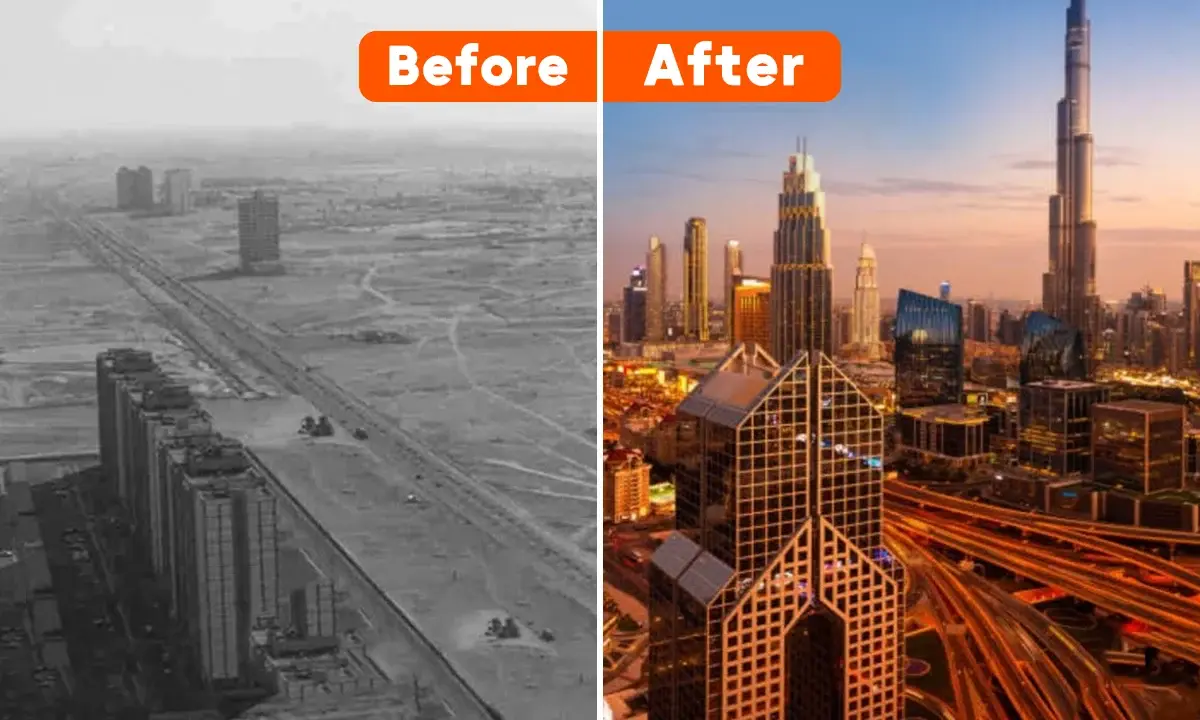
When people think of Dubai, they often envision a city dominated by towering skyscrapers and cutting-edge architecture. This perception stems from the city’s rapid growth and its investment in iconic structures like the Burj Khalifa, which stands as the tallest building in the world, and the luxurious sail-shaped Burj Al Arab. However, this view overlooks the rich tapestry of culture and tradition that exists alongside modernity.
Dubai is not just a skyline; it represents a unique blend of old and new. For instance, while the city boasts a plethora of contemporary designs, it also cherishes its heritage, evident in places like the Dubai Creek and the historic Al Fahidi neighborhood. This contrast creates a dynamic environment that is both exciting and educational for visitors.
Dubai beautifully intertwines modern architecture with rich heritage, offering visitors an exciting and educational experience.
Beyond the urban landscape, the surrounding desert offers a different kind of adventure. Desert safaris provide a thrilling experience, where visitors can navigate golden dunes that stretch for miles. Additionally, camel racing—an ancient sport—continues to be a popular attraction, showcasing the blend of tradition and modern entertainment.
Ultimately, Dubai is a city that harmonizes architectural innovation with cultural depth, making it a destination worth exploring beyond the surface.
Luxury Shopping Experiences Beyond the Desert
When people think of Dubai, the first images that often come to mind are those of towering skyscrapers and extravagant lifestyles. This perception is largely fueled by marketing and media portrayals that emphasize luxury. However, while Dubai does offer high-end shopping experiences, it’s essential to recognize that this vibrant city presents a diverse retail landscape that caters to all tastes and budgets.
The Dubai Mall and Mall of the Emirates are frequently cited as shopping meccas, boasting over 1,200 retail outlets and numerous luxury brands like Chanel and Gucci. Yet, what may surprise many is the availability of more affordable shopping options in areas like the bustling souks or popular markets, where you can find unique goods at competitive prices.
Additionally, shoppers can discover local artisans’ creations, which provide a rich cultural experience and an opportunity to support the community. This blend of luxury and local craftsmanship illustrates that Dubai’s shopping scene is not solely about opulence but also about celebrating diversity and accessibility. Thus, whether you’re after high-end fashion or unique souvenirs, Dubai’s retail offerings are extensive and inclusive.
Cultural Diversity and Heritage in Dubai
When you explore Dubai, you’ll uncover a rich cultural tapestry woven from traditions and influences from around the globe. Heritage sites like the Al Fahidi Historical Neighborhood invite you to step back in time, while vibrant festivals celebrate this diversity throughout the year. You won’t just see the city; you’ll experience its unique blend of cultures that shape everyday life.
Rich Cultural Tapestry
Common perceptions often depict Dubai as a city solely focused on modernity and luxury, sometimes overshadowing its rich cultural heritage. This misconception likely stems from its rapid development and the prominence of skyscrapers and shopping malls. However, a deeper exploration reveals a vibrant cultural tapestry that beautifully blends tradition with innovation.
In Dubai, you’ll encounter the sensory delights of bustling souks, where the aromas of spices transport you to a different time. The sounds of Arabic music fill the air, reflecting the city’s deep-rooted history. For instance, traditional festivals, such as Eid and the Dubai Shopping Festival, showcase the UAE’s customs and values, offering a glimpse into the local way of life.
Beyond the contemporary skyline, art galleries feature works from local talent, highlighting the creative spirit that thrives alongside modern architecture. Activities like desert safaris and sandboarding serve as thrilling reminders of the landscape’s historical significance and the region’s nomadic past.
Heritage Sites Exploration
Many people perceive Dubai as a city solely defined by its opulent skyscrapers and lavish lifestyle, often overlooking its rich cultural heritage. This misconception stems from the city’s rapid modernization and its image as a global economic hub. However, exploring Dubai’s heritage sites reveals a fascinating narrative that complements its modern allure.
Take the Al Fahidi Historical Neighborhood, for instance. This area offers a stark contrast to the city’s high-rises, showcasing traditional Emirati architecture and the Bedouin way of life. Similarly, the Dubai Museum, located in the Al Fahidi Fort, provides insights into the region’s history, illustrating how it evolved from a humble fishing village to a bustling metropolis.
As you visit these sites, you’ll uncover the stories of desert dwellers and their enduring traditions. Engaging with the local culture through activities like desert safaris allows for an immersive experience, highlighting the hospitality, music, and cuisine of the Bedouins.
Each heritage site serves as a reminder that beneath its contemporary facade, Dubai is deeply rooted in a rich history and cultural exchange that is essential for understanding its identity today.
Festivals and Celebrations
Dubai’s festivals and celebrations are often viewed through a lens of glamour and opulence, leading some to believe that they are solely extravagant and inaccessible experiences. However, this perception overlooks the rich tapestry of cultural diversity and community spirit that characterizes these events.
The Dubai Shopping Festival, for instance, is not just about high-end purchases; it offers incredible deals that cater to a wide range of budgets. The festival attracts millions of visitors annually, contributing significantly to the local economy and showcasing local businesses alongside international brands. Similarly, the Dubai Food Festival celebrates not only global cuisines but also local culinary talents, highlighting the city’s commitment to fostering homegrown talent.
Eid celebrations in Dubai exemplify community spirit, with activities that are inclusive and family-friendly. The Global Village is another great example, featuring pavilions from various countries, allowing attendees to experience diverse cultures without leaving the city.
These events provide a unique opportunity to engage with Dubai’s heritage and traditions, making them accessible and enjoyable for everyone. Whether you’re a tourist or considering a move, these celebrations offer a chance to create lasting memories in a vibrant city that welcomes all.
Thriving Culinary Scene: A Taste of the World
Many people envision Dubai as just a desert metropolis filled with towering skyscrapers and extravagant shopping malls. While this image is prevalent, it overlooks one of the city’s most captivating aspects: its culinary diversity. In reality, Dubai offers a vibrant food scene that reflects its multicultural population, making it a culinary melting pot.
The city boasts a rich array of flavors, ranging from traditional Emirati cuisine to a plethora of international offerings. For instance, you can indulge in local dishes like Al Harees and Luqaimat, while also enjoying global favorites like Indian biryanis and Lebanese shawarmas. This mix of culinary influences is a direct result of Dubai’s position as a global hub for trade and tourism.
Moreover, Dubai hosts numerous culinary festivals throughout the year, celebrating this diversity. These events not only highlight the skills of talented chefs but also provide opportunities for attendees to engage in cooking demonstrations and workshops. Such experiences allow visitors to appreciate the complexity and creativity of the dishes on offer. Whether you’re a seasoned foodie or just exploring, Dubai’s culinary scene promises memorable experiences that highlight the city’s rich cultural tapestry.
Lush Green Spaces and Parks
Many people perceive Dubai as a city dominated by skyscrapers, luxury shopping, and an arid desert climate. This view often overlooks the city’s impressive green spaces and parks, which provide a refreshing contrast to its urban environment. The misconception likely stems from the image of the UAE as primarily a desert oasis, but Dubai’s commitment to sustainability and green living has led to the creation of beautiful parks that cater to both residents and visitors.
For instance, Al Barsha Pond Park features a picturesque lake and walking paths, making it an ideal spot for picnicking and jogging. In comparison, Zabeel Park offers expansive green lawns and play areas, perfect for family gatherings and community events.
Additionally, Safa Park is renowned for its stunning gardens and art displays, where activities such as yoga sessions and cycling are popular. Creek Park, with its scenic waterfront views, invites visitors to enjoy barbecues and boat rides. Lastly, Mushrif Park showcases diverse flora and cycling trails, providing opportunities for nature walks and camping.
These parks illustrate that Dubai’s appeal extends well beyond its deserts, inviting everyone to explore its vibrant green spaces.
Artificial Islands: Engineering Feats of Innovation
When you think of Dubai, the stunning artificial islands like the Palm Islands and the World Islands Project likely come to mind. These engineering marvels showcase not just human ingenuity, but also spark discussions about their environmental impact. As you explore these unique landscapes, you’ll uncover how innovation and nature can sometimes clash in this desert oasis.
Iconic Palm Islands
When discussing Dubai, one common perception is that its luxurious lifestyle is solely built on opulence and excess. This view is often fueled by images of extravagant hotels and high-end shopping. However, a closer look reveals a different story, particularly with the construction of the Palm Islands, which showcase remarkable engineering and visionary planning.
The Palm Islands, designed in the shape of palm trees, are not just symbols of luxury; they represent a significant achievement in land reclamation and urban development. Created using millions of cubic meters of sand and rock, these islands had a profound impact on Dubai’s economy and tourism sector. They helped diversify the city’s offerings beyond traditional attractions, positioning Dubai as a global travel hub.
Moreover, the Palm Islands have sustainable elements, incorporating green spaces and marine life habitats. They provide residents and visitors with various recreational activities, including water sports and beach access, contributing to a healthier lifestyle. In comparison, many coastal cities worldwide face challenges in maintaining their natural environments while promoting tourism. The Palm Islands stand out as a unique blend of innovation and ecological consideration, redefining what it means to experience luxury in a desert landscape.
World Islands Project
A common myth about Dubai is that its attractions are purely artificial and lack ecological consideration. This perception often stems from the rapid development and ambitious projects that have come to define the city. However, the World Islands Project challenges this notion by showcasing a thoughtful blend of innovation and environmental stewardship.
Located off the coast of Dubai, this project comprises 300 islands, each designed to resemble various countries and regions. Far from being mere tourist traps, these islands serve as a testament to human ingenuity while promoting marine biodiversity. Research indicates that the artificial structures provide essential habitats for diverse aquatic species, ultimately contributing to the health of the surrounding marine ecosystem.
Additionally, the islands interact harmoniously with the desert environment, creating a unique contrast that highlights the balance between urbanization and nature. Visitors can enjoy a beach experience that is not only visually stunning but also rooted in sustainable engineering practices. This project exemplifies how Dubai is not just about luxury but also about innovative solutions to ecological challenges, making it an intriguing destination for both tourists and future residents.
Environmental Considerations
Debunking Myths About Dubai’s Artificial Islands: More Than Just Luxury
A common perception about Dubai’s artificial islands, like the World Islands Project, is that they primarily serve as extravagant playgrounds for the wealthy. This view often overlooks the ecological significance these islands hold. While they certainly redefine luxury living, they are also meticulously designed ecosystems that promote sustainability and conservation.
For example, vibrant mangrove forests on these islands provide critical habitats for seabirds, enhancing urban wildlife. In contrast, natural coastal areas often lack such dedicated conservation efforts. The artificial lagoons are not mere decorative features; they teem with marine life, fostering biodiversity that is crucial for a balanced ecosystem.
Moreover, the green spaces strategically incorporated into the design serve to filter air and reduce heat, which is particularly important in a desert environment. Unlike many urban areas worldwide, which struggle with air quality, Dubai’s approach actively combats pollution.
Furthermore, solar panels on these islands harness renewable energy, contributing to sustainable infrastructure. This commitment to the environment showcases a forward-thinking ethos, positioning Dubai as a leader in blending innovation with ecological responsibility. Ultimately, these islands serve a dual purpose: they provide luxury while preserving the natural beauty of the region.
Adventure and Outdoor Activities
Common perceptions of Dubai often paint it as solely a bustling metropolis characterized by luxury shopping and tall skyscrapers. While this image has some truth, it overlooks a significant aspect of the emirate: its outdoor adventure offerings. Many tourists may not realize that Dubai is also home to a diverse range of exhilarating outdoor activities, attracting adventure enthusiasts from around the globe.
For instance, a desert safari is a must-try experience that allows you to navigate the stunning dunes, a stark contrast to the city’s urban landscape. Dune bashing, where skilled drivers maneuver through steep slopes and sharp turns, showcases the natural beauty of the desert while providing an adrenaline rush. This activity highlights a different side of Dubai that is often overshadowed by its commercial image.
Additionally, options like hot air balloon rides at sunrise or sandboarding down the dunes offer unique experiences that are not commonly associated with Dubai. With an array of outdoor adventures available, the emirate caters to thrill-seekers and nature lovers alike, proving that its appeal extends far beyond the city limits. As you plan your visit, consider exploring these outdoor activities to discover the remarkable diversity Dubai has to offer.
A Hub for Art and Entertainment
A common misconception about Dubai is that it’s solely a destination for luxury shopping and extravagant lifestyles. While it’s true that Dubai boasts some of the world’s most opulent malls and hotels, the city is also a vibrant hub for art and culture that often goes unnoticed.
Dubai is more than luxury; it’s a vibrant hub for art and culture waiting to be explored.
With over 100 art galleries and cultural venues, Dubai presents a rich tapestry of creative expression. Visitors can discover contemporary dance performances that electrify the stage and avant-garde theater productions that challenge traditional perceptions.
Key locations include:
- Alserkal Avenue, renowned for its innovative galleries and artist spaces.
- Dubai Opera, a stunning venue that hosts a diverse range of live performances.
- Art Dubai, an immersive fair that showcases global talent and contemporary art.
- Dubai Design District, where art seamlessly intersects with design.
- Dubai International Film Festival, a celebration of cinematic excellence.
Each of these venues contributes to a cultural landscape that is both inspiring and diverse. This aspect of Dubai often surprises newcomers, reminding us that the city is not just defined by its skyscrapers and deserts, but also by a flourishing artistic community that invites exploration and engagement.
Year-Round Events and Festivals
Many people perceive Dubai as a city that primarily thrives on luxury and opulence, often overlooking its rich cultural tapestry and vibrant social calendar. This misconception likely stems from the city’s towering skyscrapers and high-end shopping destinations, which can overshadow its traditional roots and community-oriented events.
However, Dubai boasts a diverse range of year-round events and festivals that cater to various interests. For instance, the excitement of desert safaris offers visitors a unique opportunity to experience the thrill of navigating the vast dunes. These excursions are not only about adventure but also about appreciating the stunning natural landscape that surrounds the city.
A standout event in Dubai’s cultural scene is camel racing, a cherished tradition that highlights the emirate’s heritage. Unlike many other countries where horse racing may dominate, camel racing is a deeply ingrained cultural practice here. The Dubai Camel Racing Club hosts races featuring high-tech monitoring systems, bridging tradition and modernity.
From food festivals to art exhibitions, Dubai’s calendar is filled with cultural celebrations that reflect its diversity. The city is more than just a desert oasis; it’s a vibrant hub where tradition and innovation coexist, inviting both tourists and residents to engage with its dynamic community.
Sustainable Initiatives and Green Urban Planning
Many people perceive Dubai as a city solely defined by its opulence and luxurious lifestyle. This common misconception often overshadows the remarkable strides the city has made toward sustainability and green urban planning. While the glamorous skyline and extravagant shopping malls capture attention, Dubai is also committed to creating a more environmentally friendly urban landscape.
One of the most notable initiatives is the integration of lush rooftop gardens atop skyscrapers, which not only enhance the aesthetic appeal but also improve air quality. Additionally, solar panels are increasingly visible throughout the city, harnessing renewable energy to power various facilities. According to recent reports, Dubai aims to generate 75% of its energy from clean sources by 2050.
Public transport in Dubai is designed to reduce carbon footprints, featuring efficient systems that encourage residents and visitors to opt for greener travel options. The city’s eco-friendly parks, filled with native flora, contribute to biodiversity while providing spaces for leisure and community activities.
These initiatives highlight Dubai’s vision for a sustainable future, proving that modern urban centers can balance development with environmental responsibility. As a result, Dubai not only captivates with its luxury but also takes significant steps to become a livable city for all.