
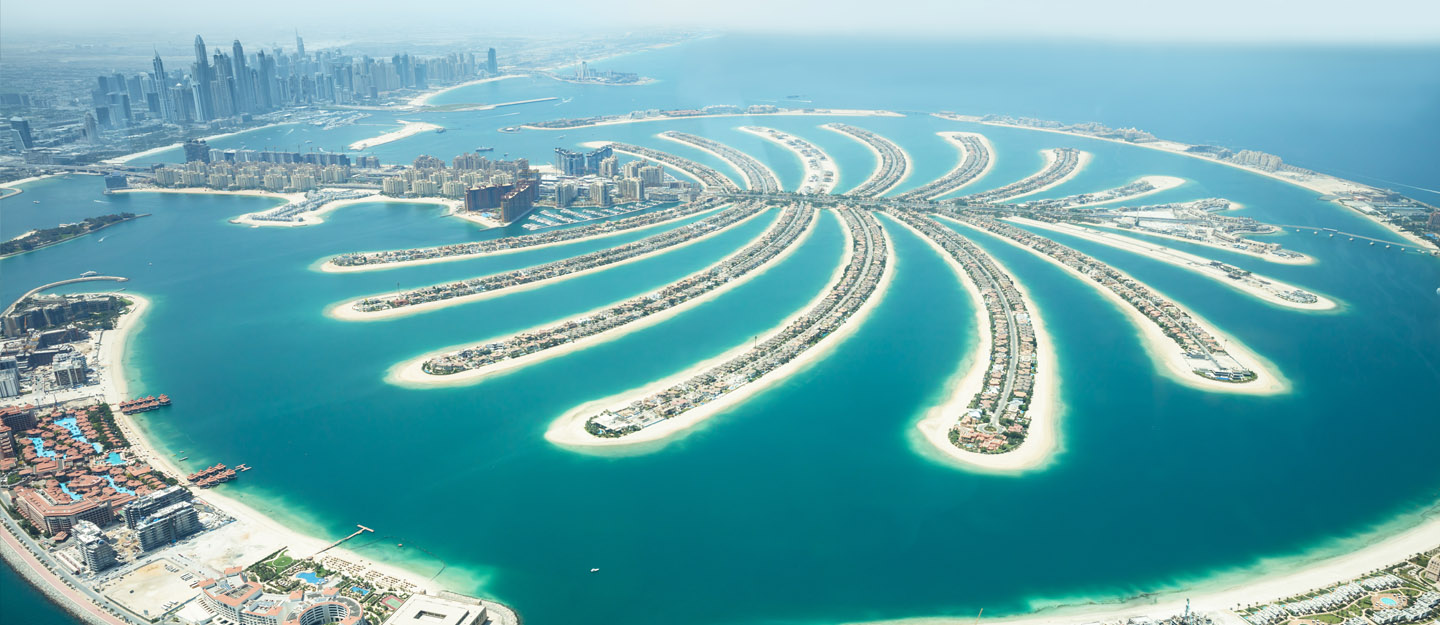
Did you know that Palm Jumeirah added 78 kilometers of coastline to Dubai? This ambitious project not only transformed the landscape but also showcased groundbreaking engineering techniques and materials. As you explore the intricate details of its construction, you’ll uncover the strategic decisions that underpinned its development and their long-term impact on Dubai’s tourism industry. What drove these innovations, and how did they shape the island’s success?
The Vision Behind Palm Jumeirah
The Vision Behind Palm Jumeirah
Palm Jumeirah is a remarkable example of innovative urban planning and architectural excellence. This iconic island, designed to resemble a palm tree, was developed with a vision to create a luxurious real estate hub that also symbolizes Dubai’s aspirations for growth and development. Its unique layout enhances beachfront access while striving to minimize environmental impact.
Palm Jumeirah exemplifies innovative urban planning, merging luxury with sustainability to embody Dubai’s vision for growth and development.
One of the standout features of Palm Jumeirah is its commitment to marine biodiversity. Developers have taken significant steps to protect local ecosystems, ensuring that marine life is preserved even during construction phases. This dedication to balancing luxury with sustainability appeals to affluent buyers who are increasingly conscious of environmental issues.
As you explore the island, you’ll notice how Palm Jumeirah represents a comprehensive strategy that integrates urban development with ecological conservation. This approach not only sets a new standard for luxury real estate but also serves as a model for future projects globally, reflecting the growing trend of environmentally responsible development in urban planning.
Engineering Innovations and Techniques
Engineering innovations and techniques have been pivotal in turning the visionary concept of Palm Jumeirah into a reality. This iconic development, known for its unique palm-tree shape, required advanced engineering solutions to address the challenges posed by building on reclaimed land. Engineers employed innovative foundation designs, utilizing state-of-the-art materials and methodologies to ensure the durability and stability of the structures. These foundations are specifically tailored to support the considerable weight of the development, which is crucial given the island’s unique soil conditions.
In addition to structural challenges, the project also had to account for environmental concerns such as erosion and wave impact. To mitigate these risks, floating barriers were strategically installed around the island. These barriers are designed to absorb and deflect wave energy, protecting the infrastructure while minimizing ecological disruption. This approach not only preserves the environment but also showcases a commitment to sustainability.
The successful integration of these engineering innovations highlights how foresight can overcome geographical limitations. By prioritizing both structural integrity and environmental stewardship, Palm Jumeirah has not only achieved its iconic status but has also set new benchmarks for future developments in Dubai and beyond.
The Construction Timeline
When you examine the construction timeline of Palm Jumeirah, you’ll find a meticulously structured process that began with careful planning. You’ll identify key milestones that marked significant progress, from land reclamation to the final touches that led to its grand opening. Understanding these stages is essential for appreciating the scale and ambition behind this iconic development.
Initial Planning Stages
Before the groundbreaking construction of Palm Jumeirah could commence, a meticulous planning phase was vital to manage the project’s ambitious scope and complexity. The initial stages prioritized cultural influences and economic implications, ensuring the development was in harmony with Dubai’s overarching vision. This involved a comprehensive assessment of environmental considerations, logistical challenges, and potential community impacts, striking a balance between innovation and sustainability.
| Planning Phase | Key Activities |
|---|---|
| Site Analysis | Conducting environmental assessments |
| Concept Development | Iterating architectural designs |
| Economic Feasibility | Performing cost analyses and funding strategies |
| Regulatory Approval | Engaging with local authorities |
| Community Outreach | Conducting stakeholder consultations |
These steps formed a robust framework that not only facilitated compliance with local regulations but also positioned Palm Jumeirah as a transformative development in luxury and tourism. Compared to other global projects, such as the Burj Khalifa, Palm Jumeirah represents a unique approach to man-made islands, showcasing Dubai’s ambition to redefine coastal living. This careful planning set the stage for a landmark project that continues to attract visitors and residents alike.
Major Construction Milestones
As construction began on the iconic Palm Jumeirah, the project team encountered several significant milestones that were crucial for its successful development. The first phase centered around extensive land reclamation, a process that required meticulous planning to minimize the effects on local marine ecosystems. This stage resulted in the formation of the island’s distinctive palm tree shape, while breakwaters were strategically installed to safeguard the shoreline and enhance the appeal of luxury real estate.
Following this, the construction of essential roads and infrastructure was initiated, laying a strong foundation for future developments. This infrastructure not only ensured accessibility but also emphasized sustainable practices. The project team faced various environmental challenges, striving to harmonize luxury living with ecological conservation. As each milestone was achieved, it not only advanced the project but also established benchmarks for future developments in Dubai, reflecting a commitment to both luxury and environmental responsibility.
These achievements highlight the innovative approach taken in Palm Jumeirah’s development, making it a model for future projects in the region.
Completion and Opening
The construction of Palm Jumeirah, which reached completion in 2006, represents a significant milestone in Dubai’s architectural evolution. This ambitious project transformed the coastline into a luxury residential paradise, drawing global attention and substantial investment.
The development process spanned several years and involved meticulous planning to ensure structural integrity while addressing environmental concerns. Developers designed the island with a focus on harmonizing with marine ecosystems, implementing measures that protect local wildlife. For instance, the project included artificial reefs to promote marine life, showcasing a commitment to sustainability in coastal development.
Upon its opening, Palm Jumeirah was not only a testament to innovative engineering but also a model for sustainable practices in urban planning. It established Dubai as a leader in luxury tourism and real estate, attracting residents and visitors alike. Compared to other global luxury destinations, Palm Jumeirah stands out for its unique design and environmental considerations, reinforcing Dubai’s status as a hub for modern architecture and eco-friendly initiatives.
Materials Used in the Development
The materials utilized in the development of Palm Jumeirah are integral to its structural integrity and visual appeal. The island features high-quality concrete, specifically chosen to withstand the challenging marine environment. This robust concrete foundation is essential not only for enduring natural elements but also for supporting the luxurious developments that characterize the Palm.
From an aesthetic standpoint, marble has been extensively used throughout both residential and commercial properties, significantly enhancing the island’s visual charm. The opulent marble finishes contribute to an elegant atmosphere, making the residences attractive to discerning buyers.
The selection of these materials reflects a careful balance between beauty and functionality. The combination of durable concrete and stunning marble allows Palm Jumeirah to not only serve as a premier destination but also ensures its longevity. This thoughtful approach to engineering and design exemplifies the island’s commitment to excellence, making it a standout choice for potential residents and visitors alike.
Environmental Considerations
Palm Jumeirah is not just a symbol of luxury; it also exemplifies a commitment to environmental sustainability. This iconic development integrates various eco-friendly practices to address environmental concerns while preserving its opulent appeal.
One of the key initiatives is the creation of artificial reefs. These structures are designed to enhance marine habitats, promoting biodiversity and supporting local fish populations. According to studies, artificial reefs can significantly increase fish biomass, providing a thriving ecosystem for marine life.
In addition, sediment management is a crucial aspect of the island’s sustainability efforts. By carefully managing sediment, Palm Jumeirah combats coastal erosion, which is vital for maintaining the island’s stability and longevity. Effective sediment management can reduce erosion rates by up to 50%, ensuring the island remains a safe and desirable location.
Water quality monitoring systems are also in place to safeguard the health of surrounding waters. These systems protect marine life and ensure that recreational activities, such as swimming and water sports, can be enjoyed safely.
Lastly, sustainable landscaping practices, including the use of native plants, minimize water consumption and foster a balanced ecosystem. This approach not only conserves resources but also enhances the natural beauty of the island, creating an appealing environment for both residents and visitors.
The Workforce Behind the Project
The Workforce Behind Palm Jumeirah: A Model of Collaboration and Skill Development
Building Palm Jumeirah was a monumental endeavor that required not only innovative engineering and sustainable practices but also a highly skilled and dedicated workforce. This iconic project brought together a diverse labor force, including experts from various fields, which played a crucial role in its success.
The strategic collaboration among different roles fostered extensive skill development, enhancing workers’ capabilities and promoting a culture of continuous improvement. Here’s a quick overview of the workforce involved:
| Role | Number of Workers | Skill Development Programs |
|---|---|---|
| Engineers | 1,200 | Advanced Engineering Courses |
| Skilled Laborers | 5,000 | On-the-Job Training |
| Project Managers | 300 | Leadership Workshops |
The effective integration of these roles not only facilitated the construction process but also made a significant contribution to the local economy. By investing in skill development, the project ensured a capable team, ready to address the unique challenges presented by this landmark development. This focus on workforce enhancement sets a benchmark for future projects in the region.
Challenges Encountered During Construction
During the construction of Palm Jumeirah, the project team faced several significant challenges that tested their resilience and innovative spirit. These obstacles were instrumental in shaping the overall success of this iconic development.
Construction Site Safety was a primary concern. Given the project’s vast scale, ensuring the safety of workers was critical. This involved strict adherence to safety protocols and regular training to minimize risks on-site.
Labor Management presented its own set of challenges. The workforce was diverse, requiring effective communication and motivation strategies to maintain high levels of productivity. This is particularly important in large-scale projects where seamless collaboration is essential.
Environmental Concerns also played a crucial role. The team had to balance construction activities with the preservation of the surrounding marine ecosystem. This commitment to ecological sustainability is increasingly vital in modern construction practices, especially in coastal developments.
Lastly, Logistical Complexities were significant, as delivering materials and equipment to a remote construction site required meticulous planning. Efficient logistics are crucial in ensuring timely project completion, particularly in large-scale endeavors.
The Impact of Palm Jumeirah on Dubai’s Tourism
Overcoming the challenges of construction, Palm Jumeirah has emerged as a key player in transforming Dubai’s tourism landscape. This iconic man-made island redefines luxury and solidifies Dubai’s reputation as a premier travel destination. With its array of opulent luxury resorts, Palm Jumeirah attracts affluent tourists in search of unique and sophisticated experiences.
The resorts on the island offer world-class amenities, including lavish spas and gourmet dining options, enhancing Dubai’s status as a hub for indulgence. According to recent data, hotel occupancy rates in the Palm Jumeirah area consistently outpace the Dubai average, highlighting its appeal to discerning travelers.
In addition to the resorts, the marina development significantly enhances the island’s charm. It serves as a picturesque setting for leisure activities and upscale dining, benefiting both residents and visitors. This combination of luxury and leisure has stimulated economic growth, with tourism-related revenues experiencing a notable increase.