

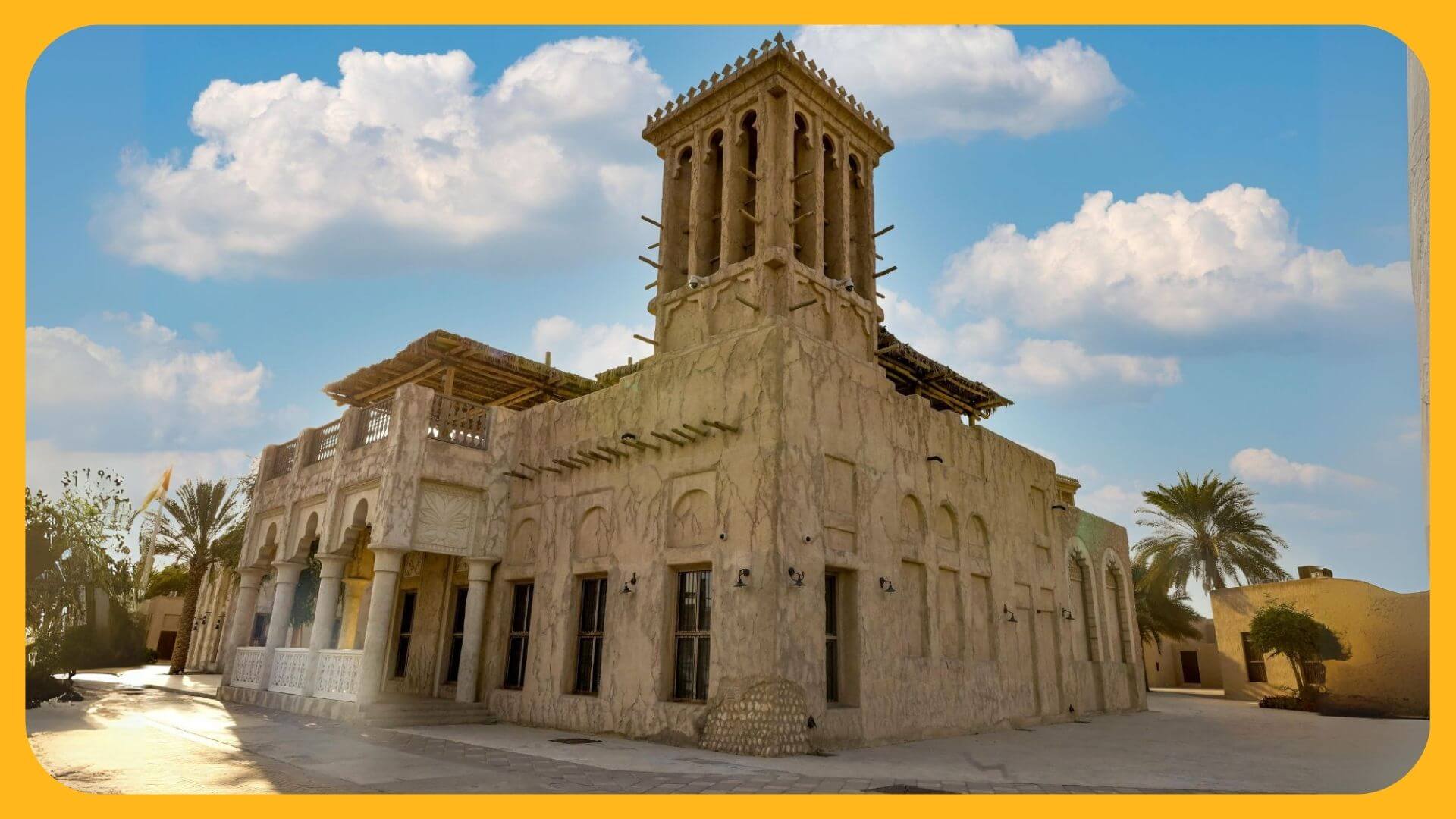
If you think Dubai’s charm is solely defined by its towering skyscrapers and lavish shopping malls, you’re in for a delightful surprise.
Tucked away in the Shindagha Historic District, you can immerse yourself in a vibrant tapestry of the city’s rich heritage. Picture yourself enjoying a cup of Arabic coffee by the serene creek, surrounded by the enchanting architecture of ancient wind towers and intriguing museums.
This hidden gem offers a refreshing perspective on Dubai, reminding us that there’s much more beneath the surface.
Curious about where the locals escape the hustle and bustle? Join me as we uncover the secrets and stories that make Shindagha a must-visit destination.
What is Shindagha?
Shindagha is a fascinating enclave within Dubai that offers a vivid contrast to the city’s modern façade. Unlike the common perception that Dubai solely revolves around luxury and high-rise architecture, Shindagha immerses you in the historical essence of old Dubai. Here, you can stroll through narrow lanes that once bustled with traders, pearl divers, and fishermen, giving you a glimpse into Dubai’s rich maritime heritage.
Many newcomers might assume that Dubai lacks a deep cultural history, but Shindagha challenges that notion. You’ll encounter traditional wind towers and beautifully preserved houses, each with a story that echoes the past. As a long-term resident, I encourage you to explore this vibrant neighbourhood, which serves as a living testament to Dubai’s evolution before its luxury boom. Embrace the opportunity to delve into a world where tradition and history thrive amidst the urban landscape.
Top Attractions in Shindagha
Shindagha invites you to explore its captivating attractions, from historical sites to vibrant promenades, offering a unique glimpse into Dubai’s rich culture and heritage.
Sheikh Saeed Al Maktoum House
Curiosity often leads European expats to Sheikh Saeed Al Maktoum House, a remarkable example of Dubai’s authentic heritage nestled by the creek. While many may picture Dubai as a city solely defined by its modern skyscrapers, this historic house serves as a testament to the emirate’s rich past, revealing a side of the city that is often overlooked. As you explore the meticulously restored rooms, you’ll discover traditional wind towers, ingenious structures that provided natural cooling long before air conditioning became commonplace.
You’ll also find a wealth of old family photographs and artifacts that narrate Dubai’s evolution through the decades. Contrary to popular belief, Dubai’s history is not a mere footnote in its dramatic rise; it’s an intricate tapestry that shapes the city’s identity today. The serene courtyards offer a perfect spot for reflection or a quick selfie, ensuring you leave with a deeper appreciation for Dubai’s cultural roots.
The Perfume House
At The Perfume House in Shindagha, you’ll discover that the art of fragrance is woven into the very fabric of Dubai’s cultural narrative. As you explore its elegantly curated displays, each bottle tells a story of ancient traders arriving by dhow, laden with precious oud and rose oils. Many newcomers might assume that Dubai is defined solely by spices and incense; however, the reality is that perfumes play a pivotal role in Emirati identity. This misconception is often perpetuated by the city’s bustling spice markets, which overshadow the rich tradition of local perfumery. As a European expat, you’ll find joy in learning how Emiratis have historically crafted unique scent blends that reflect their heritage. Testing your nose against these exquisite fragrances not only enriches your understanding of local culture but also debunks the myth that Dubai’s olfactory landscape is one-dimensional.
Traditional Architecture Museum
While many envision Dubai primarily as a hub of futuristic skyscrapers, the Traditional Architecture Museum in Shindagha showcases the city’s rich historical roots and innovative design. Here, you’ll discover how Dubai’s residents cleverly managed the desert heat long before the advent of air conditioning. Contrary to the common misconception that traditional homes were unbearably hot, the ingenious wind towers (barjeel) functioned effectively, providing natural ventilation that surpasses some modern cooling solutions.
As you wander through the museum, take in the intricate gypsum carvings and coral-stone walls that narrate stories older than your European granddad’s favourite tale. Imagine sipping tea in the serene courtyards, a practice locals cherished decades ago. This immersive experience will deepen your appreciation for Dubai’s quieter, resourceful heritage, revealing a side often overshadowed by its modern facade.
Historic Dock
Shindagha’s Historic Dock offers a captivating glimpse into Dubai’s rich maritime heritage, contrasting sharply with the city’s modern skyline. As you wander along the weathered wooden planks, you can almost hear the echoes of ancient traders and pearl divers who once frequented this vibrant hub. Contrary to the popular belief that Dubai is solely a realm of extravagant skyscrapers, the dock is a lively venue where traditional cargo boats, known as dhows, still thrive, and crews engage in conversations that reflect the city’s multicultural tapestry.
Here’s a quick guide to what you might spot:
| What You’ll See | Local Myth Busted | Top Photo Moment |
|---|---|---|
| Cargo-laden dhows | Dubai isn’t just modern | Colourful stacked crates |
| Fishermen at work | There’s real tradition here | Nets and fishing boats |
| Old dock equipment | Not everything’s new | Rusty anchors, ropes |
| Chatty boat crews | It’s a lively meeting point | Friendly waves and smiles |
Visiting the dock not only enriches your understanding of Dubai’s history but also allows you to appreciate its authentic local charm.
Waterfront Promenade
After immersing yourself in the vibrant atmosphere of Shindagha’s historic dock, you’ll discover that the true essence of the district lies along its scenic waterfront promenade. This charming stretch by the Creek offers a refreshing escape from the common misconception that Dubai is merely a city of glass towers. Here, families, joggers, and local artists converge, creating a dynamic yet relaxed environment. You’ll find wooden benches that are ideal for people-watching and capturing stunning sunset selfies, alongside traditional cafes serving authentic Arabic coffee and fresh dates. Don’t miss the playful fountains where children—and even adults—can enjoy a splash. Engaging with the friendly locals is effortless here, as the warmth of Dubai’s hospitality truly shines, making the promenade a welcoming hub for European expats seeking a taste of local life.
How to Visit Shindagha
Getting to Shindagha is easy—just take the Metro, grab a taxi, or enjoy an abra ride across the creek. Remember to plan your visit for the cooler months!
Getting There
Getting to Shindagha is easier than you might think, dispelling the myth that navigating Dubai’s transport system is a labyrinthine task. In reality, if you’re based in downtown Dubai or one of the popular European expat areas, reaching this vibrant district is a breeze.
By Metro: The Green Line is your best bet; simply disembark at Al Ghubaiba station and enjoy a leisurely walk to your destination.
By Taxi or Ride-Hailing: Just mention “Shindagha” to your driver—no need for convoluted explanations, as most are quite familiar with the area.
By Abra: For a unique experience, hop on an abra, a traditional water taxi, from Deira to cross the picturesque Dubai Creek.
With these straightforward options, you’ll find that getting to Shindagha is not only simple but also enjoyable.
Best Time to Visit
When considering a visit to Shindagha, it’s essential to understand how its charm can be best experienced through timing. One well-known myth is that Dubai is perpetually engulfed in unbearable heat, but in reality, the months from late October to April offer remarkably pleasant weather—ideal for leisurely strolls along the creek. In fact, you’ll want to dodge the harsh midday sun in July unless you’re seeking an unintentional sauna experience!
Here’s a straightforward guide to help you plan your visit:
| Season | Weather | Experience |
|---|---|---|
| Winter | Cool and breezy | Perfect for outdoor walks |
| Spring | Mild and sunny | Vibrant festivals abound |
| Summer | Hot and humid | Best for indoor museums |
| Autumn | Warm and comfortable | Ideal for creekside cafes |
An early morning or sunset stroll in Shindagha truly adds a touch of magic to your experience.