

In Dubai, understanding Ramadan etiquette is essential for fostering respect and appreciation for local customs. You’ll find that modest dress, patience, and mindfulness of prayer times play a vital role during this holy month. It’s not just about refraining from eating or drinking in public; it’s about embracing the spirit of community and compassion. As you navigate this unique cultural landscape, consider what specific practices can help you connect more deeply with the local traditions.
The Significance of Ramadan in Dubai
Many people hold the misconception that Dubai becomes a quiet, subdued city during Ramadan, believing that life essentially comes to a halt. This perception often stems from a lack of understanding of the cultural practices surrounding this holy month. In reality, Dubai’s vibrancy only amplifies during Ramadan, as the community comes together to celebrate shared values of unity and spirituality.
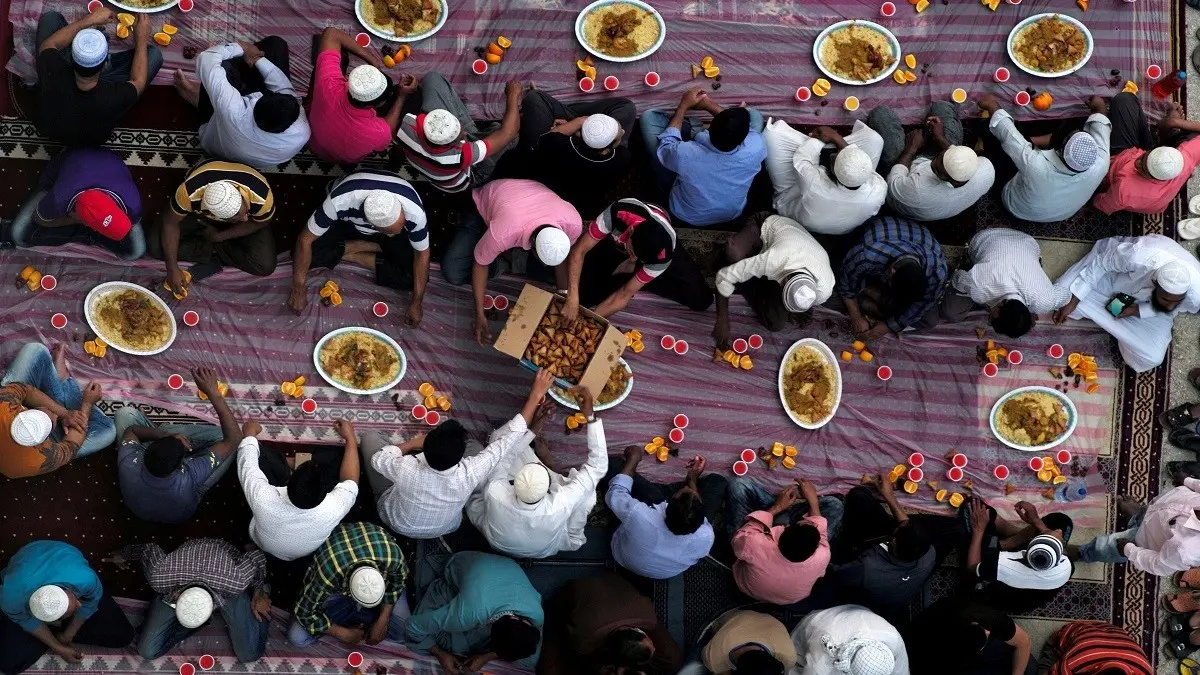
During this month, communal prayers and nightly iftar feasts create a lively atmosphere. Streets and public spaces are adorned with beautiful decorations, showcasing the cultural significance of Ramadan. Unlike the assumption that the city slows down, you’ll find that many businesses adapt their hours to accommodate the influx of evening activities.
Communal prayers and vibrant iftar feasts transform Dubai into a lively celebration of unity and cultural significance during Ramadan.
Families gather to break their fast with iftar meals, fostering a sense of generosity and togetherness. Additionally, acts of charity become more prevalent, with many residents contributing to those in need. This spirit of giving further enriches the communal experience.
Ultimately, while Ramadan is a time for personal reflection, it strengthens the collective bond within Dubai’s diverse community, allowing residents and visitors alike to appreciate the profound impact of this holy month on the city’s cultural landscape.
Fasting: Understanding the Practice
Fasting during Ramadan is often misunderstood, particularly by those unfamiliar with Islamic practices. A common perception is that it’s solely about abstaining from food and drink from dawn until sunset. However, this practice, especially in a vibrant city like Dubai, encompasses much more—it is a holistic approach to spiritual growth and self-discipline.
One key aspect of Ramadan fasting is self-discipline. Participants develop control over their desires, fostering resilience that can be beneficial in other areas of life. This is akin to practices like intermittent fasting, where individuals aim to enhance their mindfulness and self-regulation.
Another significant dimension is empathy. Experiencing hunger during fasting hours deepens compassion for the less fortunate. This sense of solidarity often translates into acts of generosity and community support, reinforcing social bonds within diverse populations in Dubai.
Lastly, spiritual reflection is a cornerstone of Ramadan. The act of fasting creates a space for contemplation and prayer, allowing individuals to nurture their relationship with God. This reflective time is particularly meaningful in a city known for its blend of cultures and spiritual practices. Understanding these aspects provides a clearer picture of the profound significance of fasting during Ramadan in Dubai.
Observing Prayer Times
A common perception about life in Dubai during Ramadan is that the city becomes entirely subdued, with locals engrossed in their spiritual practices and visitors feeling out of place. While it’s true that prayer times hold great significance during this holy month, the reality is more nuanced. Many residents and tourists alike find a unique charm in the spiritual atmosphere that Ramadan brings to the city.
During this period, the five daily prayers take on heightened importance, with many individuals pausing their daily activities to engage in prayer. Observing these prayer times can be a fascinating experience, offering insight into the local culture. It’s important to respect this practice, as it reflects a deep commitment to faith among the locals.
When visiting mosques, being aware of etiquette is essential. Dress modestly, covering arms and legs, and women should bring a headscarf for entry. Inside mosques, maintaining silence is crucial to honor those in prayer.
Prayer times can vary slightly each day, making it worthwhile to check the schedule. This is a fantastic opportunity to connect with the local community and witness the devotion that enhances the spirit of Ramadan in Dubai.
Respecting the Local Customs
When you’re in Dubai during Ramadan, it’s crucial to respect local customs to foster harmony and understanding. This includes adhering to dress code guidelines, being mindful of eating and drinking in public, and observing proper public behavior. By being considerate of these practices, you’ll show appreciation for the cultural significance of this holy month.
Dress Code Guidelines
When it comes to dress code in Dubai, especially during the holy month of Ramadan, there are many misconceptions that can be clarified. A common perception is that the dress code is overly restrictive, stemming from a general misunderstanding of cultural norms in the region. In reality, dressing appropriately is about showing respect for local customs and enhancing your travel experience.
First and foremost, modest attire is highly encouraged. This means opting for clothing that covers your shoulders and knees, which is not only respectful but also aligns with traditional dress. Loose-fitting garments are a great choice, allowing for comfort while adhering to local expectations.
Additionally, many modern styles in Dubai beautifully incorporate traditional elements. By embracing local fashion trends, visitors can express their appreciation for the culture while enjoying a contemporary look. It’s important to avoid revealing or provocative clothing, such as shorts, tank tops, and sheer fabrics, especially during Ramadan. Keeping your attire respectful enhances your engagement with the local culture and helps dispel myths about Dubai being an overly strict destination.
Eating and Drinking Protocols
A common perception about visiting Dubai during Ramadan is that the city becomes a challenging place for tourists and residents alike due to strict eating and drinking protocols. This belief often stems from the idea that public life slows down significantly, making it difficult for non-Muslims to enjoy their time. However, this is a misconception that overlooks the rich cultural experiences available during this holy month.
In reality, respecting local customs during Ramadan goes beyond simply adhering to a dress code; it also involves understanding the nuances of eating and drinking in public spaces. During daylight hours, it is indeed important to refrain from eating or drinking in public, which reflects a deep respect for those who are fasting. However, many restaurants in Dubai cater to non-fasting patrons by offering special suhoor and iftar menus, allowing visitors to engage with local culinary traditions.
For example, if you’re dining with friends, wait for the call to prayer that marks the end of fasting before you begin your meal. By embracing these practices, you not only honor the traditions of the local community but also enhance your experience in this vibrant city.
Public Behavior Expectations
As you explore Dubai during Ramadan, it’s important to understand the local customs and expectations surrounding public behavior. Many people perceive the UAE as a modern and liberal destination, yet the cultural norms during this holy month emphasize respect and reflection. This perception stems from the city’s rapid development and diverse population, which can sometimes lead to misconceptions about social etiquette.
To ensure you navigate the city respectfully during Ramadan, keep the following public conduct guidelines in mind:
- Avoid Eating or Drinking: Unlike typical tourist destinations, public spaces in Dubai maintain a strong adherence to Ramadan customs. Eating, drinking, or smoking in public areas during daylight hours, including parks and streets, is frowned upon and can lead to misunderstandings.
- Dress Modestly: While Dubai is known for its cosmopolitan vibe, modest attire is essential during Ramadan. Clothing that covers shoulders and knees aligns with local cultural expectations and demonstrates respect for the community.
- Practice Patience and Kindness: As the sun sets, the streets can become busier as people prepare to break their fast. Embracing a calm demeanor and exercising patience can enhance your experience and show respect for the traditions observed during this sacred month.
Dining Etiquette During Ramadan
Common perceptions about dining during Ramadan in Dubai often revolve around strict restrictions and a lack of social interaction. However, these assumptions overlook the rich cultural practices that enhance the experience of this holy month. Ramadan is not just about fasting; it’s a time for community, reflection, and connection.
Dining during Ramadan in Dubai transcends restrictions, celebrating community, reflection, and the rich tapestry of cultural practices.
Iftar, the meal that breaks the fast, exemplifies this spirit. It is typically a communal event that brings families and friends together, showcasing the importance of togetherness during this time. If you’re invited to an iftar, punctuality is appreciated, and a sincere apology is expected if you arrive late.
Interestingly, the customs surrounding iftar also vary across cultures. While many break their fast with dates and water, others may incorporate regional dishes, highlighting Dubai’s multicultural culinary landscape.
It’s important to note that during the day, while most locals are fasting, visitors should eat discreetly in public spaces. This consideration is a sign of respect for those observing the fast. By understanding and embracing these dining etiquettes, you can partake in the unique cultural tapestry that defines Ramadan in Dubai.
Attire and Modesty Expectations
When you’re in Dubai during Ramadan, it’s important to consider your attire and how it reflects the local culture. Opt for clothing that is modest and respectful, as this shows your awareness of the customs and traditions. By dressing appropriately, you not only honor the spirit of the month but also foster a sense of cultural sensitivity.
Dress Code Guidelines
When it comes to visiting or living in Dubai during Ramadan, a common misconception is that you must completely abandon your personal style for the sake of modesty. While it’s true that the local dress code emphasizes respect for cultural traditions, you can still express yourself through fashion by balancing traditional attire with contemporary trends.
The primary guideline is to cover up: both men and women should wear clothing that covers the shoulders and knees. Loose-fitting attire is also recommended, allowing for comfort in the heat while adhering to modesty standards. This approach not only shows respect for the local culture but also aligns with global fashion trends that favor relaxed silhouettes.
Additionally, it’s wise to avoid clothing with offensive graphics or slogans, as this can be viewed as disrespectful. In fact, a study by the Dubai Tourism Board highlights that respectful attire enhances interactions with locals and promotes a positive experience. By understanding and embracing these dress guidelines, you can fully enjoy the spirit of Ramadan in Dubai while maintaining your unique style.
Cultural Sensitivity in Fashion
Cultural sensitivity in fashion is a common concern for many when visiting or moving to a diverse city like Dubai, especially during the holy month of Ramadan. A prevalent misconception is that tourists can wear anything they please, which can sometimes lead to unintentional disrespect toward local customs.
In reality, modesty is key in Dubai, particularly during Ramadan. Traditional attire such as the abaya for women and the kandura for men not only respects local customs but also helps visitors blend in seamlessly. It’s worth noting that the majority of the population in Dubai, around 80%, consists of expatriates, making cultural awareness essential for harmonious coexistence.
When selecting outfits, aim for clothing that covers shoulders and knees, reflecting the community’s values. Studies show that wearing muted colors tends to be more acceptable than bright, flashy attire, which can be perceived as drawing unnecessary attention. By embracing local customs in your wardrobe choices, you contribute positively to Dubai’s rich cultural tapestry while enjoying your experience in this vibrant city.
Engaging in Community Events
Many people associate Dubai with a fast-paced lifestyle and extravagant entertainment options. However, this perception often overlooks the rich cultural and communal aspects of the city, especially during the holy month of Ramadan. Engaging in community events during this time can provide a more nuanced understanding of the local culture and foster connections with residents.
One common misconception is that Ramadan is solely a time for fasting. In reality, it is also a period of generosity and community spirit. For instance, organizing iftar events allows individuals and groups to come together, share meals, and support those in need. Collaborating with local organizations for these gatherings can significantly enhance the sense of unity among participants.
Another way to get involved is through community volunteering. Many shelters and food distribution centers welcome assistance, and your contributions can make a notable difference for those facing hardships during this time.
Lastly, participating in cultural activities such as workshops and festivals can enrich your understanding of Ramadan’s traditions. These experiences not only provide educational insights but also create opportunities to share meaningful moments with others. Engaging in such events helps dispel myths and fosters a deeper appreciation for the diverse fabric of Dubai’s society.
What to Avoid During Ramadan
During Ramadan, common perceptions often suggest that the experience can be restrictive or challenging for non-Muslims. However, understanding the customs and practices can reveal a more nuanced reality. Observing Ramadan in Dubai is not just about fasting; it’s a deeply spiritual time that encourages community, reflection, and respect.
One notable guideline for visitors is to avoid eating or drinking in public during daylight hours. This practice is rooted in the respect for those observing the fast and fosters a sense of solidarity within the community. While some may view this as limiting, many find that it encourages mindfulness and appreciation for the food they consume once the fast is broken.
Additionally, public displays of affection are generally considered inappropriate during Ramadan. This period emphasizes modesty and introspection, making it a time for more reserved interactions. Keeping noise levels down, including avoiding loud music, is also important, as many engage in prayer and reflection during this time.
Celebrating Eid Al-Fitr: the Conclusion of Ramadan
Eid Al-Fitr, often viewed as a grand celebration, is a joyful conclusion to Ramadan, marked by community spirit, gratitude, and cherished traditions. While many might perceive this occasion as merely a festival of feasting, it holds deeper significance for the Muslim community.
- Join the Eid prayers: A common misconception is that Eid is purely a social event. In reality, attending the communal prayers at local mosques is a vital part of the celebration. These gatherings foster a strong sense of unity among participants, reinforcing the values of devotion and community.
- Share festive meals: It’s widely believed that Eid is solely about indulgence. However, the meals shared with family and friends represent gratitude for the blessings received during Ramadan. Traditional dishes vary by culture, offering an opportunity to explore diverse culinary delights that reflect the spirit of togetherness.
- Give to charity: A lesser-known aspect of Eid is the emphasis on charity. Zakat al-Fitr, which is given before the prayers, ensures that everyone, regardless of their financial situation, can celebrate. This practice underscores the importance of compassion and community support, highlighting the festival’s true essence beyond just feasting.